

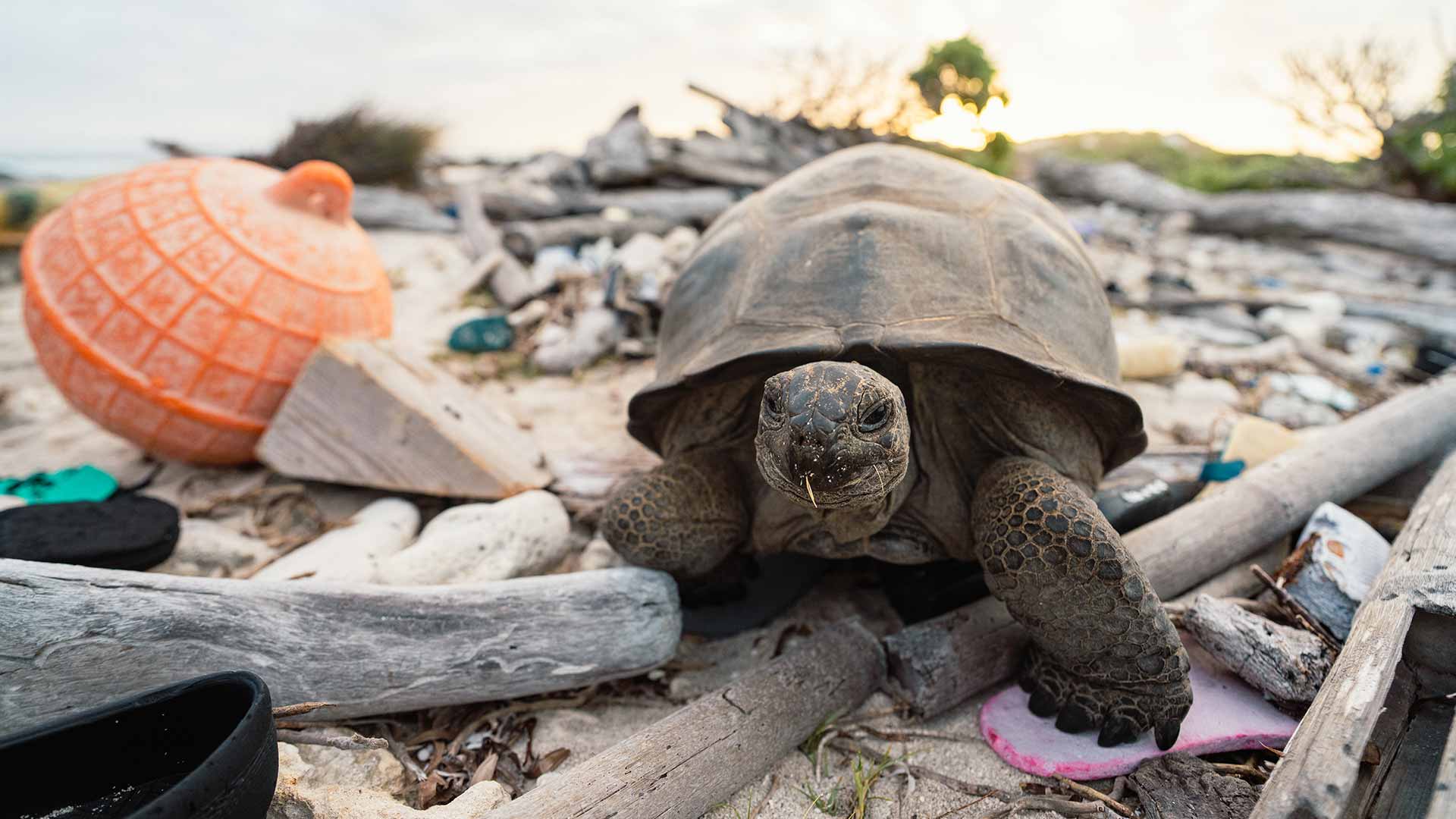
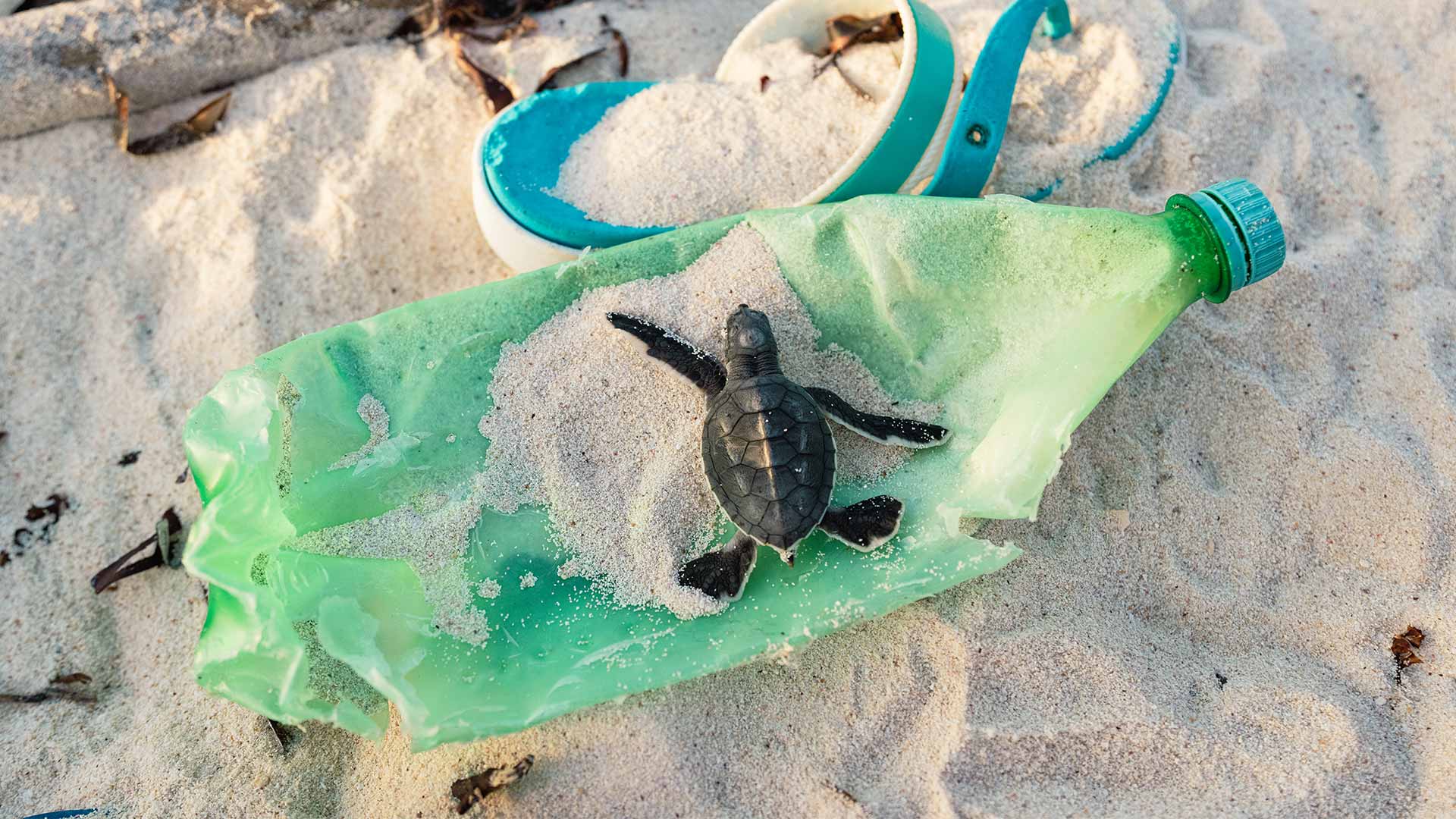
The sea turtle reaches the plastic debris: she skirts a fishing buoy, crushes a plastic bottle. Farther on, a tire, a few jerrycans, some sandals. Watching her struggle through this apocalyptic landscape feels unreal, deeply moving.
It is our third day on the deserted atoll. As dawn breaks, Aldabra reveals a new spectacle. On the beach, just in front of a bush, an enormous sea turtle weighing several hundred kilos burrows into the sand to lay her eggs. She is about thirty meters from the ocean, at the foot of Dune de Mess, on the southern coast of Grande Terre, where we arrived yesterday.
With effort, the turtle has already managed to drag herself out of the waves and onto the beach. She crossed a belt of plastic debris made up of buoys, sandals, bottles. Methodically, she dug four holes, decoys meant to fool the ibis watching her closely so they do not unearth what she hides. The fifth hole she is digging now is the real one, where she will lay her eggs, which should hatch in about two months. With her heavy front flippers, she works tirelessly, flinging sand over her head and shell.
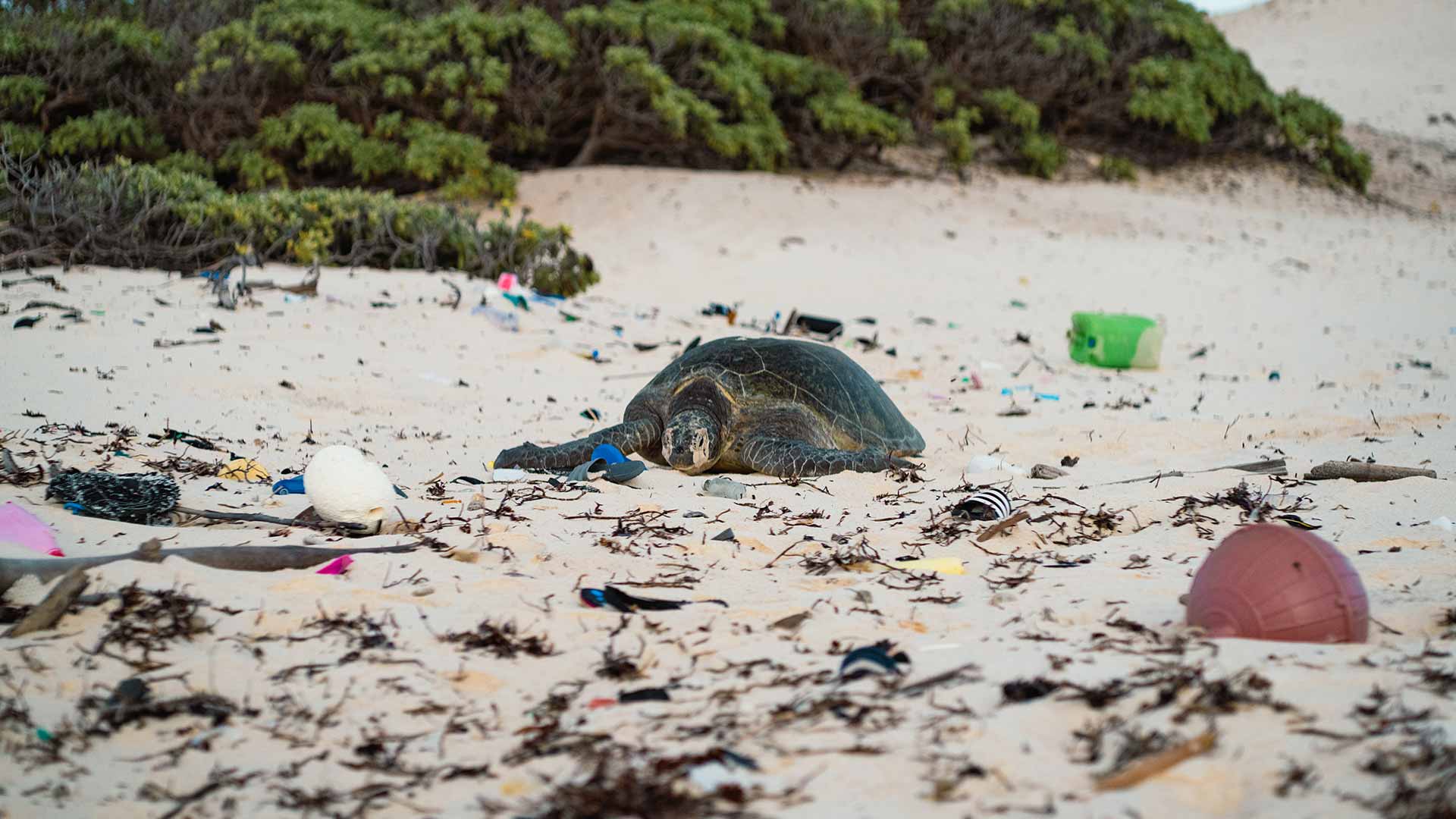
The turtle has finished digging. The hole is about a meter deep, perhaps a little more. With difficulty, she climbs out and begins her return to the sea. But she is exhausted. Every two or three meters, she pauses to catch her breath. Her shell looks as if it weighs a ton. Now she reaches the plastic debris: she skirts a fishing buoy, crushes a plastic bottle. Farther on, there is a tire, a few jerrycans, some sandals. Watching this turtle struggle forward through such an apocalyptic landscape feels unreal, deeply moving.
The debris is scattered all around her, yet she continues, slow and determined, through this end-of-the-world setting. She struggles, she suffers, but she does not give up. Just a few meters more. She is spent. Less than ten meters from the sea now. Everyone cheers her on, overwhelmed with emotion.
There she goes. The turtle reaches the water. One last effort and her shell is back in the ocean. But just as we think she is safe, a wave throws her back onto the beach. She must fight again, harder this time. The turtle heads once more into the sea, as if charging into battle. The second attempt succeeds. Her body is submerged now. She no longer walks; she swims, moving slowly away from shore. What is she thinking? Of the mission she has just fulfilled? For long minutes, we watch her swim out to sea, applauding. The turtle is now among the waves. Suddenly her small head emerges above the water. It’s her, it must be her. Tears run down our faces.
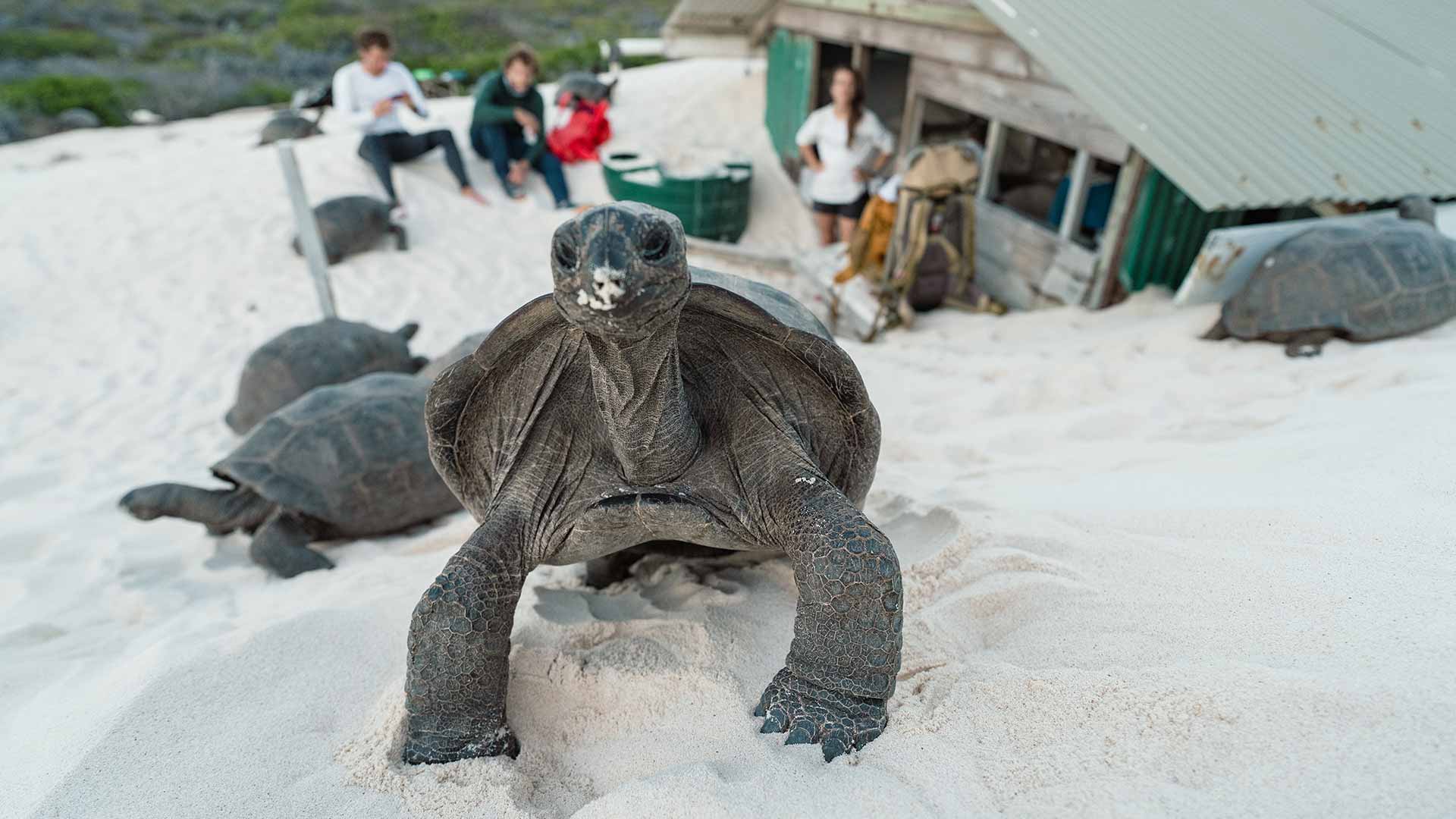
Back at the camp. At Dune de Mess, about ten land tortoises now live around us. They arrived one after another, as if curious about what we were doing there. They now remain close to the wooden cabin. We give them leftovers, a little water. I love to watch them. There is something reassuring about being near an Aldabra tortoise. They approach with slow, nodding movements. Their eyes are rimmed with sand, but it does not seem to bother them. Their gaze is deep, expressive. This morning, several have wet eyes. I wonder: are they crying? I doubt it, but I feel something stir inside. When a tortoise looks into your eyes, it is as if centuries themselves were watching you. “If only you knew everything I have lived through,” one of them seems to say.
No one knows the true age of Aldabra’s tortoises. No human has lived long enough to find out. The oldest may be a century and a half, perhaps two. It is not only their age that remains a mystery; no one really knows how long it takes for a plastic bottle to decompose. Studies suggest between 400 and 1000 years, depending on its composition and environmental conditions. If tortoises and plastic have anything in common, it is longevity.
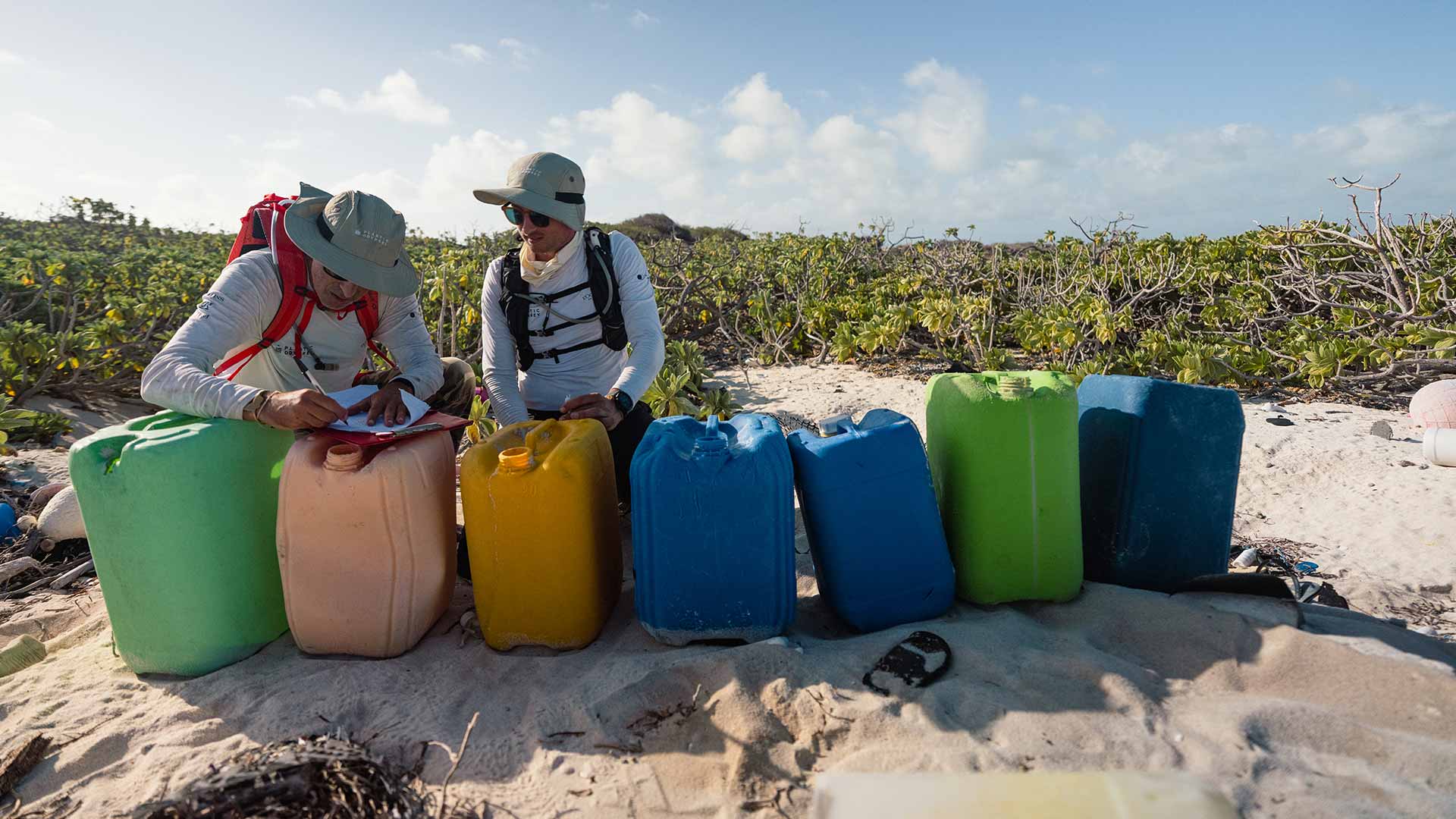
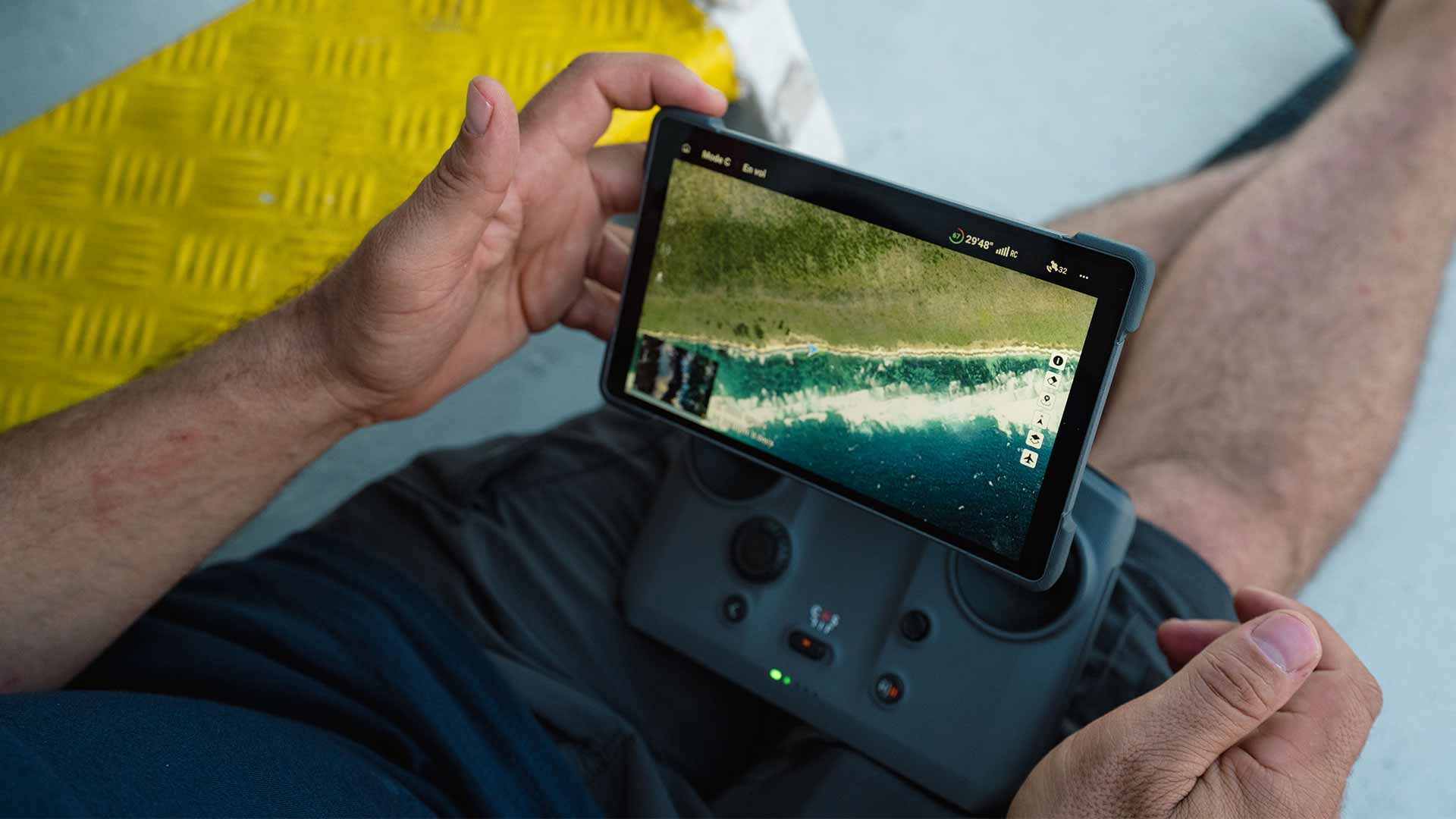
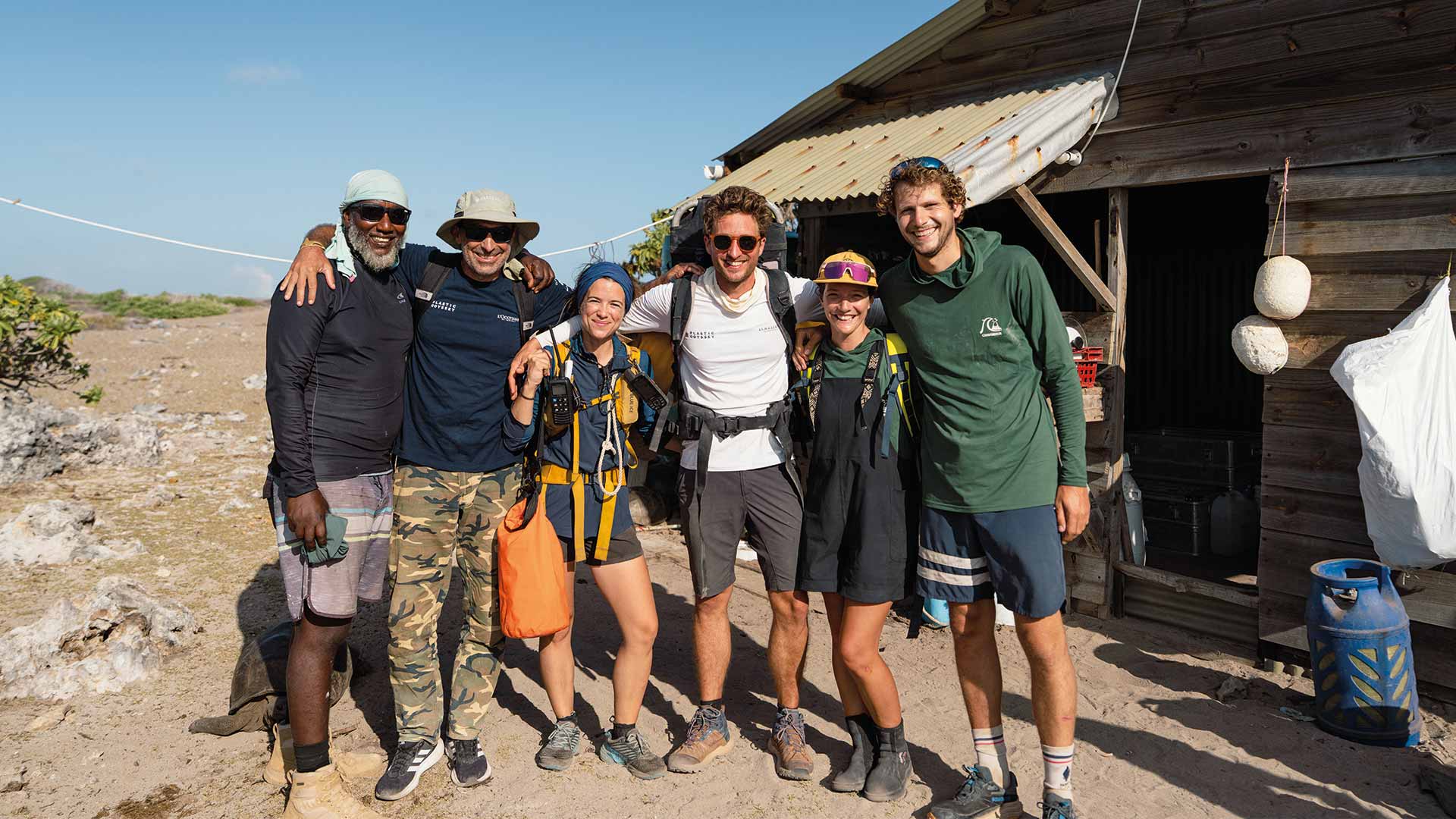
By mid-morning, the Plastic Odyssey team splits into two groups. Thibault and Morgane leave Dune de Mess to explore the southwestern part of Grande Terre. Their goal is to map clusters of plastic pollution. The round trip will cover about twenty kilometers under the sun and wind. Another team, made up of Simon, Marine, and myself, begins cataloguing a hundred pieces of debris found around the dune. Each item is identified, photographed, weighed, and measured. The data will later be sent to a company specializing in aerial imagery analysis, to calculate the total weight and volume of waste polluting Aldabra. In 2023, a scientific team estimated it at 513 tons. But what about today?
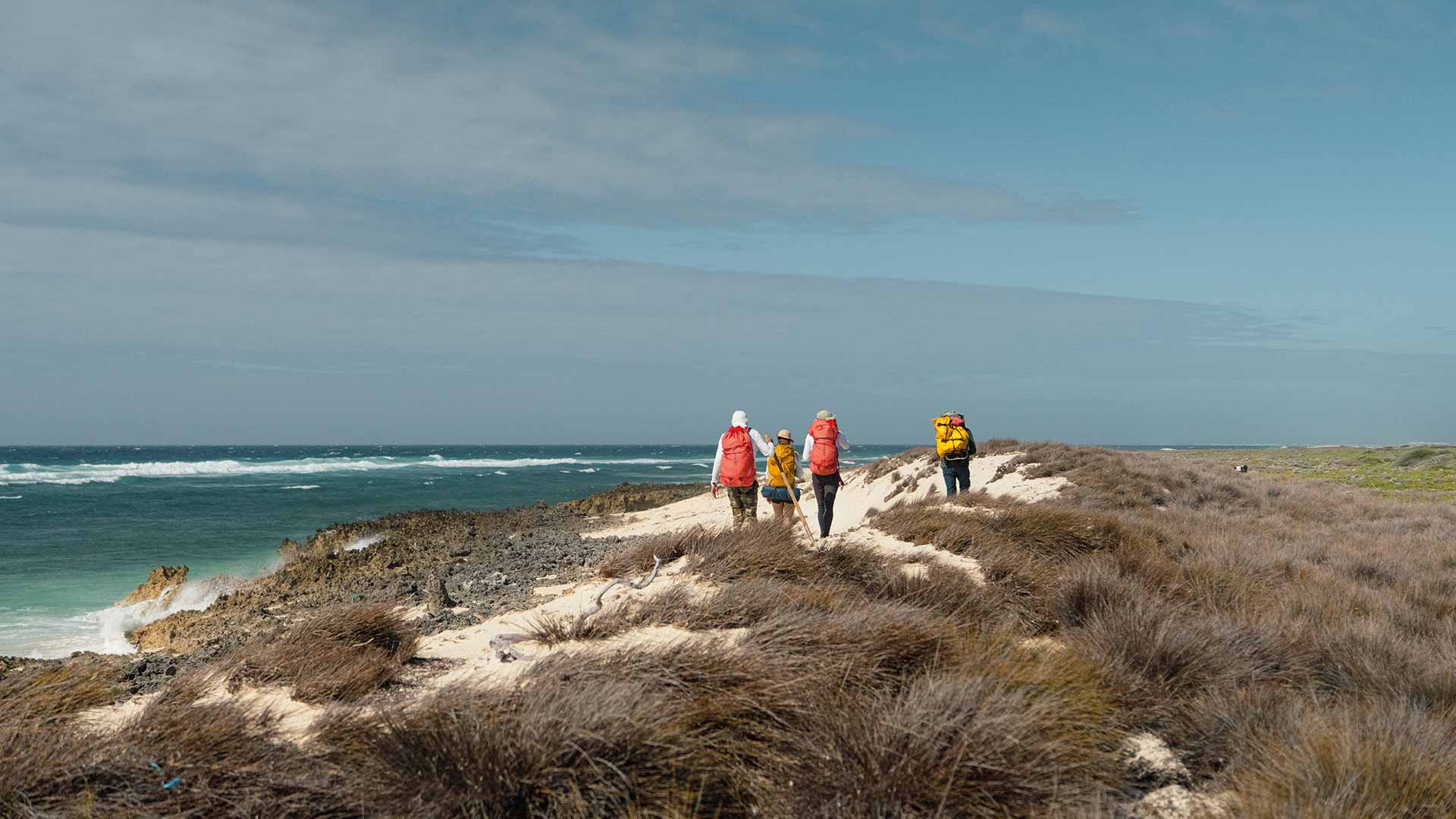
Around 6 p.m., both teams reunite on the beach. The sun is setting. After hours of waiting, we are relieved to see Morgane and Thibault return. Over the past few days, he has walked nearly sixty kilometers along the coast, mapping it with the drone. “To keep my mind busy, I counted the plastic buoys stranded on the shore,” Morgane says. “In the last ten kilometers alone, there were 1,700 of them.”
Author: Pierre Lepidi, Senior Reporter at Le Monde
Other articles
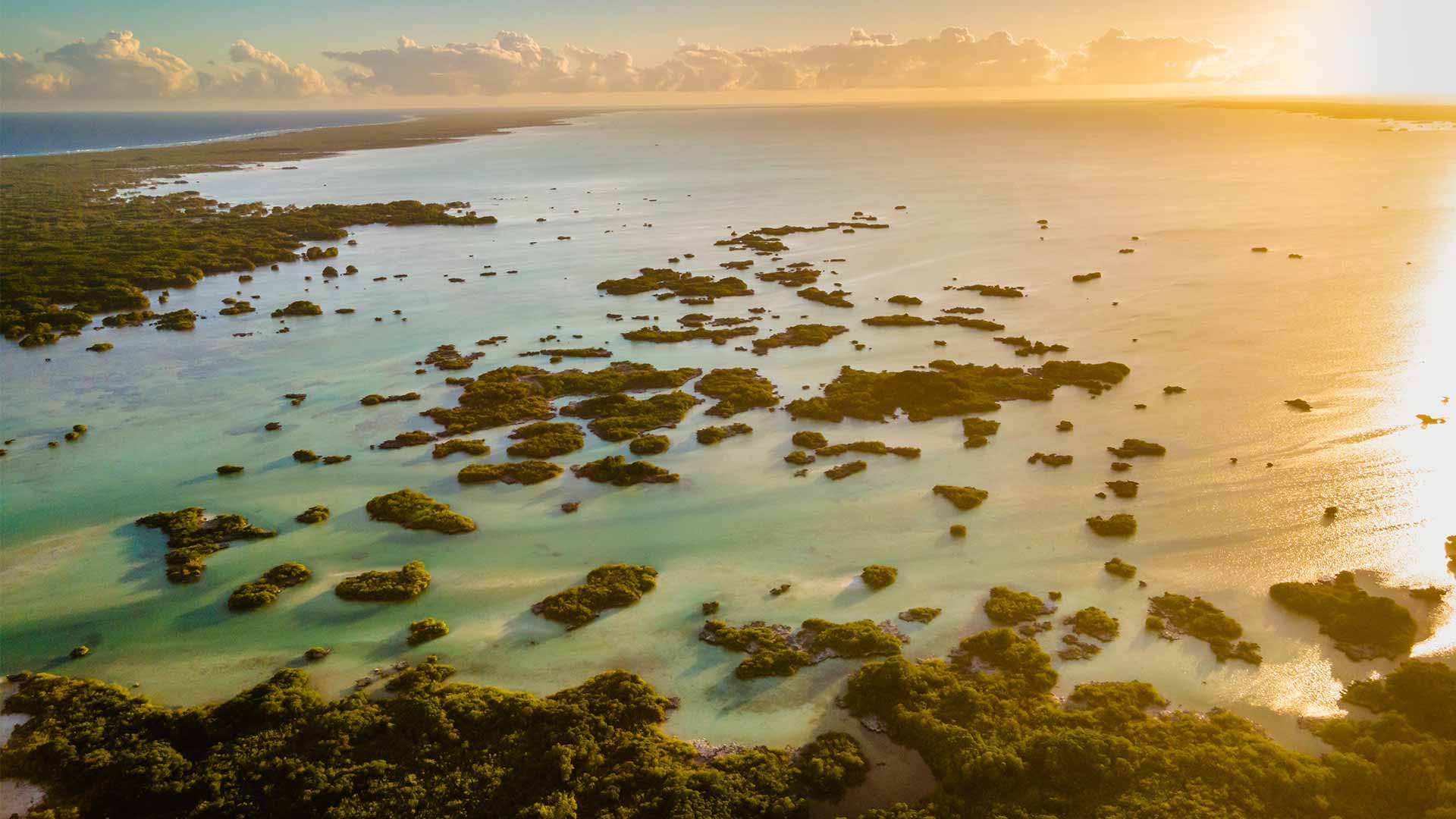
Day 1: “Aldabra, here we go!”
After spending a few hours at anchor off the Seychelles capital, the vessel set sail in the early afternoon. "Aldabra, here we go!" cheered Pierre-Louis, known to all as "Pilou", the second officer, as he sounded the ship’s horn. Under a cloudless sky, Plastic Odyssey first headed north along the coast of Mahé. Slowly, the island faded into the distance....
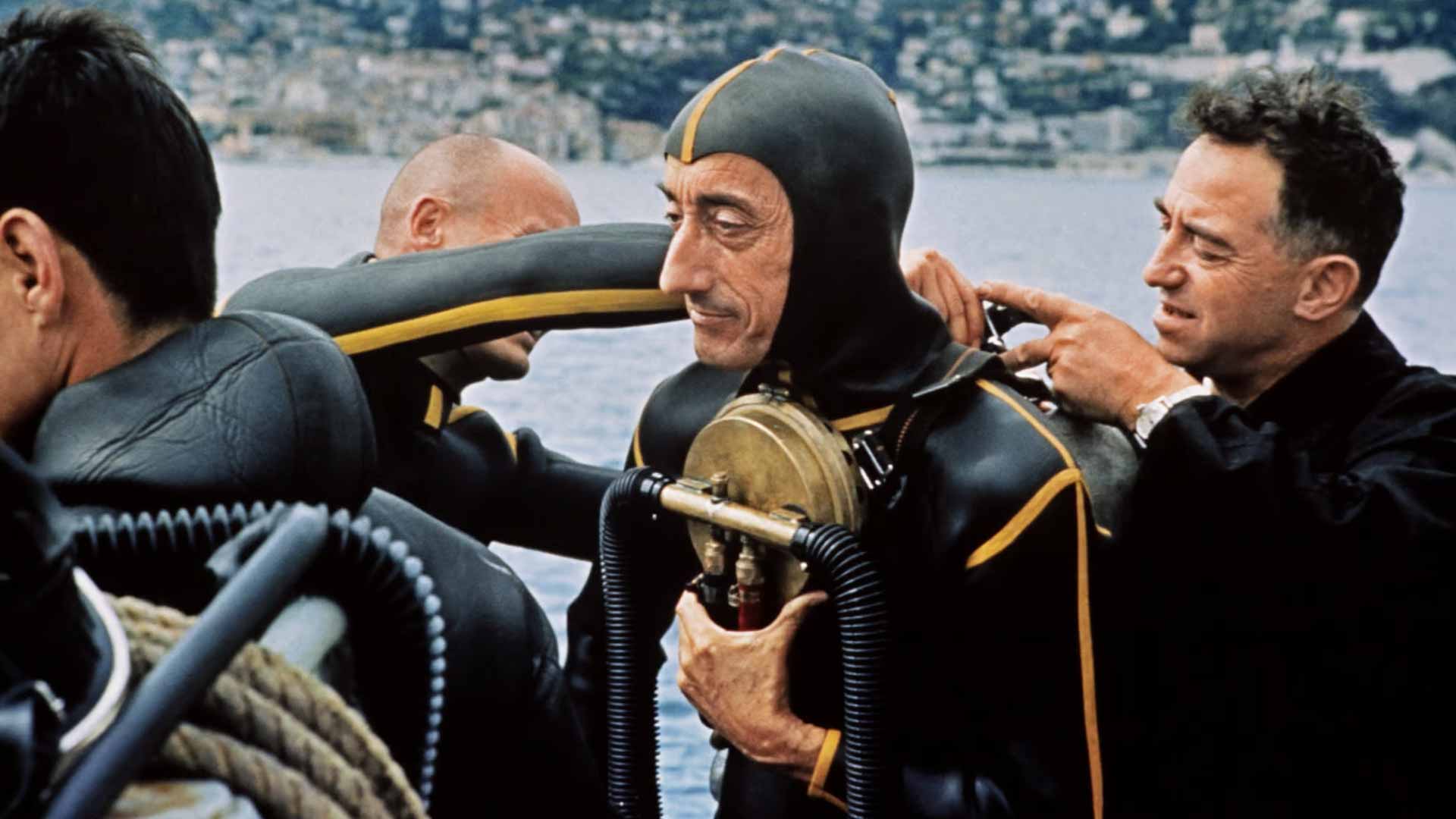
Day 2: “Aldabra is a paradise bristling against the invasion of man”
Aldabra has always inspired awe among those lucky enough to reach it. Yet its greatest defender was Commander Jacques-Yves Cousteau (1910–1997). Beyond revealing Aldabra’s coral beauty to the world, he made it his mission to protect it from the various forms of harm caused by humankind....
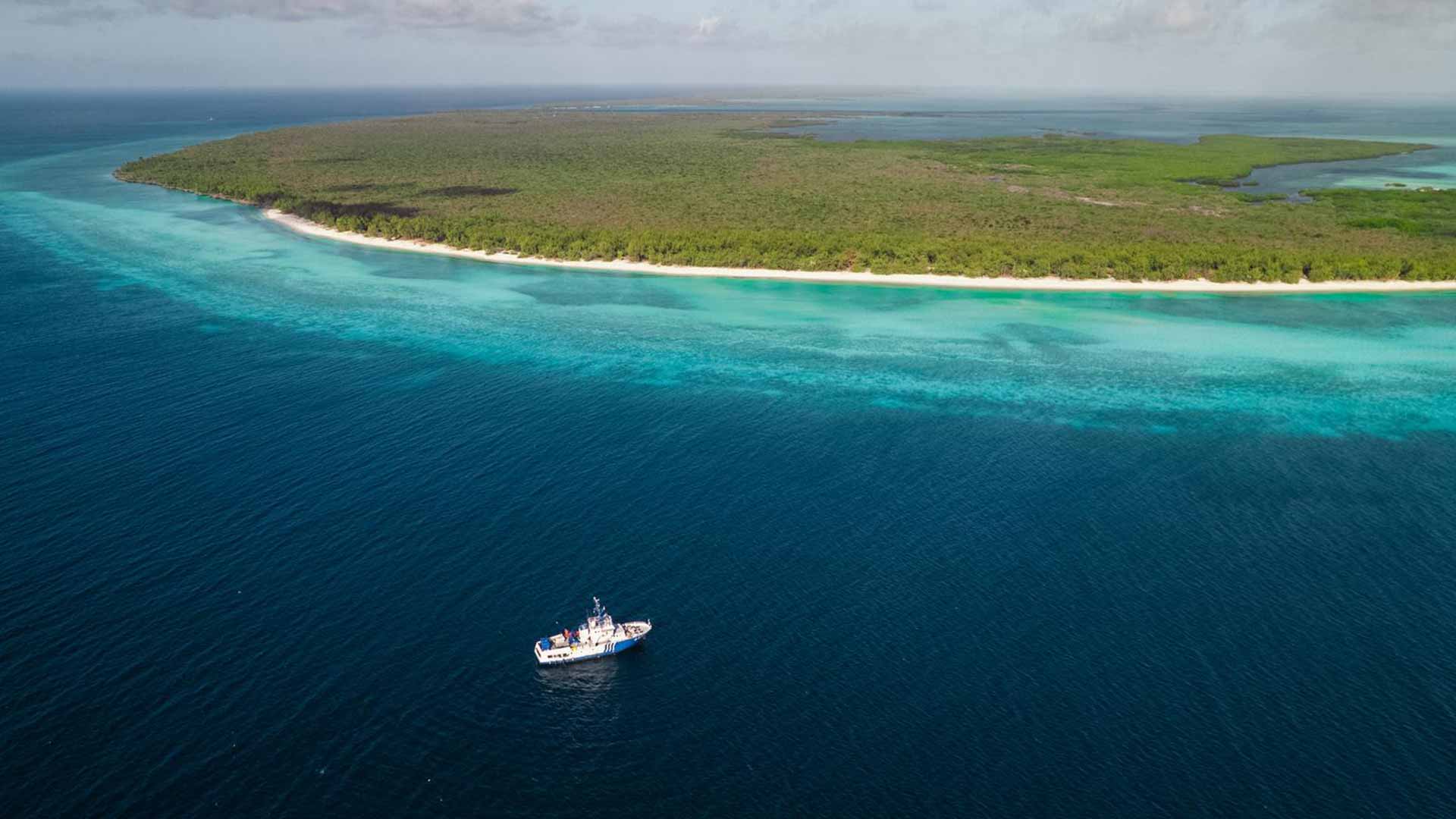
Day 3: Final preparations before landing on Aldabra
The vessel now moved to the rhythm of landing preparations, and nothing was left to chance. To protect biodiversity, the Seychelles Islands Foundation (SIF), the body responsible for regulating the atoll and issuing permits, requires that all equipment taken ashore on Picard Island be thoroughly cleaned of dust, sand, seeds, and soil....
Day 4: Aldabra, seen from the sky
One of Plastic Odyssey’s missions is to map the areas where 513 tons of plastic waste were recorded during a scientific expedition in 2020. Driven by the trade winds, these piles have accumulated along the southern and eastern shores of the atoll, over roughly fifty kilometers. Some of these zones, as satellite images show, are extremely difficult to reach....
Day 5: Aldabra, the challenge of water
The heat was oppressive, almost suffocating. The first challenge was to get the seawater desalination unit running to rehydrate. "Water is life. The first priority in any survival situation is always access to water," explained Thibault, engineer aboard Plastic Odyssey. Since there are no natural sources on Aldabra, the scientific team relies exclusively on filtered rainwater for their daily needs....
Day 6: East of Aldabra, a lunar landscape swept by the trade winds
After waking, the Plastic Odyssey team decided to watch the sunrise from the top of the dune beside the DJL camp. Rising about twenty meters high, it is the atoll’s highest point. From up there, nature came alive in calm and color. Aldabra stretched out in every direction. The first light of day glowed orange and gold, as if the island were trying to seduce us....
Day 7: Aldabra does not give itself away, It must be earned
To confront Aldabra is to endure the island’s harsh conditions, but every effort is rewarded. A meeting with a tortoise, a sunset, a breathtaking landscape, the island gives back to those who care for it. But it never gives itself easily. It must be earned....
Day 8: Aldabra asks to be protected
Night had fallen. A dozen tortoises surrounded us. Almost naively, I asked Francis, the island's manager, what message Aldabra might want to send to the world. "It would be a cry from the heart," he said. "I am unique. Protect me."...
Day 9: Life Among Aldabra’s Giant Tortoises
The sea turtle reaches the plastic debris: she skirts a fishing buoy, crushes a plastic bottle. Farther on, a tire, a few jerrycans, some sandals. Watching her struggle through this apocalyptic landscape feels unreal, deeply moving....
Day 10: Mission accomplished for Plastic Odyssey on Aldabra
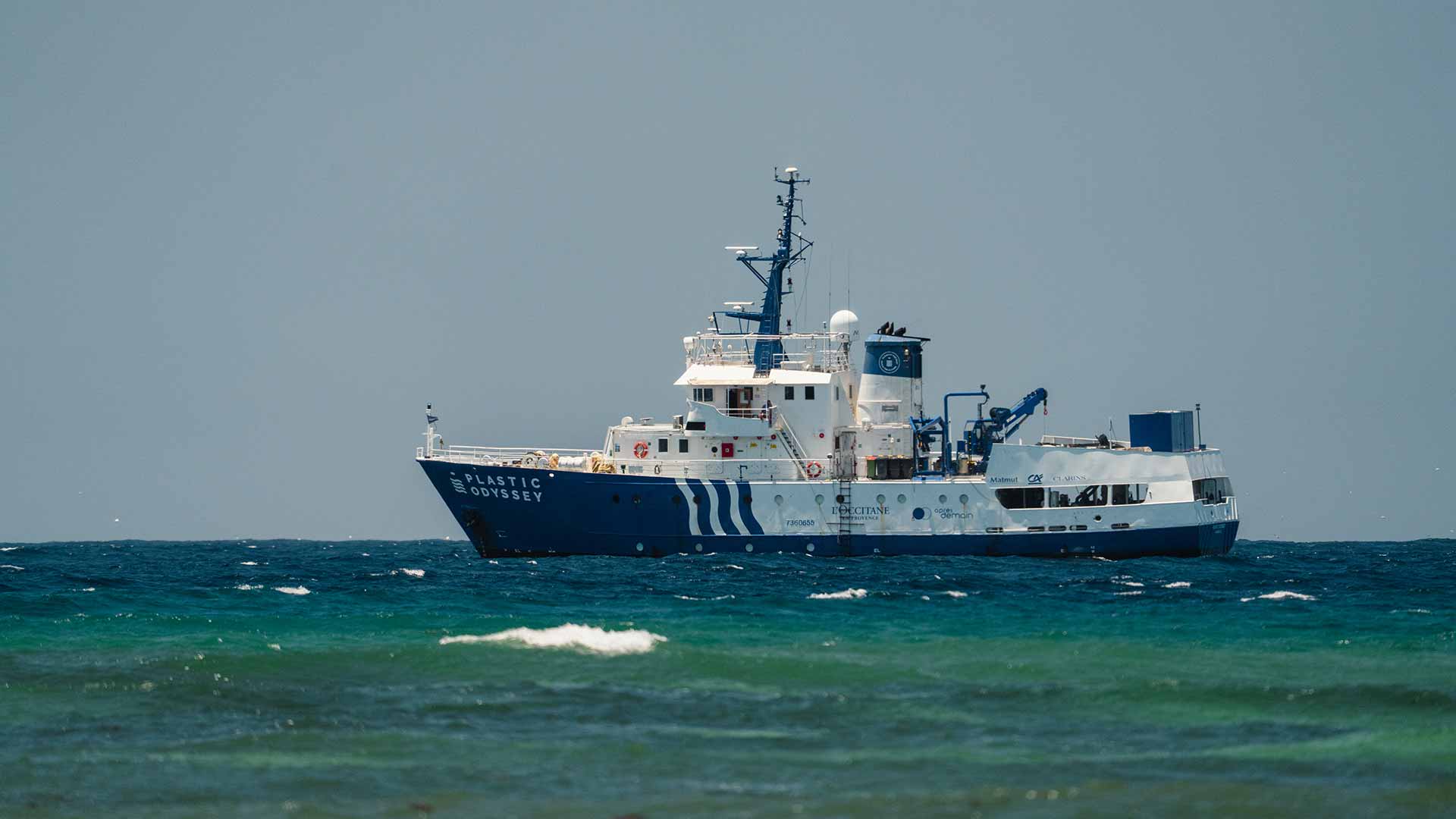
The Plastic Odyssey is expected off Dune Jean-Louis at 10 a.m. to test the extraction of half a ton of plastic waste using a floating platform made of jerrycans. The barge will shuttle between the vessel and the shore. But the sea is rough, and the wind is strong. Will the extraction be possible? Tension and uncertainty fill the air....